

silver oval mirror
Mending Plates for Trusses A Crucial Task in Structural Integrity In the realm of construction and engineering, the integrity of trusses is paramount. These structural elements, which are crucial for supporting roofs, floors, and other heavy loads, are often subjected to various forces and stresses. Over time, these forces can cause wear and tear, leading to the need for mending plates. Mending plates are thin metal plates that are used to repair or strengthen joints in trusses. They are typically made of steel or aluminum and are designed to fit snugly between the members of a truss, providing additional support and stability. When installed correctly, mending plates can significantly enhance the overall strength and durability of a truss, ensuring that it can withstand the demands of its intended use. The process of mending plates involves several steps. First, the damaged area of the truss must be carefully inspected to determine the extent of the damage and the best course of action. Once the damage has been assessed, the old fasteners are removed, and the damaged section is prepared for repair. This may involve cutting away the damaged wood or metal and smoothing the surface to ensure a good fit for the mending plate This may involve cutting away the damaged wood or metal and smoothing the surface to ensure a good fit for the mending plate This may involve cutting away the damaged wood or metal and smoothing the surface to ensure a good fit for the mending plate This may involve cutting away the damaged wood or metal and smoothing the surface to ensure a good fit for the mending plate mending plates for trusses . Next, the mending plate is carefully aligned with the repaired section of the truss and secured in place using new fasteners. It is important to ensure that the plate is flush with the surrounding surfaces and that all fasteners are tightened to the proper torque to prevent any further damage or movement. After the mending plate has been installed, it is crucial to monitor the repaired area closely for any signs of further deterioration or failure. Regular inspections and maintenance can help identify and address any issues before they become major problems. In conclusion, mending plates are an essential tool for maintaining the structural integrity of trusses. By providing additional support and stability to damaged areas, these plates can help ensure that trusses continue to perform their intended function safely and efficiently over time. As such, it is important for contractors, engineers, and property owners to be familiar with the proper installation and maintenance of mending plates to ensure the longevity and reliability of their structures.
about
silver oval mirror
Understanding One-Way Water Valves Essential Components in Fluid Control In various industries, the efficient and reliable movement of fluids is paramount. One essential component that facilitates this is the one-way water valve, often referred to as a check valve. These devices are designed to allow fluid (liquid or gas) to flow in only one direction, preventing backflow and ensuring the proper functioning of hydraulic systems, water supply lines, and irrigation systems, among others. How One-Way Water Valves Work At its core, a one-way water valve consists of a seat and a movable element, typically called a disc or ball. When fluid flows in the designated direction, the force of the fluid opens the valve, allowing it to pass through. However, if the fluid attempts to flow back, the movable element is pushed against the seat, effectively closing the valve and preventing reverse flow. This simple yet effective mechanism makes one-way valves critical components in ensuring the safety and reliability of various piping systems. Applications of One-Way Water Valves One-way water valves are commonly used in several applications. In residential plumbing, for instance, they can prevent backflow in water supply systems, ensuring that clean water does not mix with potentially contaminated water. Similarly, in irrigation systems, check valves can prevent water from draining back into the supply line when the pump is turned off, maintaining pressure and optimizing water usage. In industrial settings, one-way water valves play pivotal roles in processing fluids. They are often employed in manufacturing plants where liquids or gases must be transferred through pipelines without the risk of backflow, which could lead to contamination or equipment failure. Moreover, they are vital in sewage and wastewater management systems, where they help direct flow and prevent backflow that could cause significant environmental hazards. Types of One-Way Water Valves There are several types of one-way water valves, each designed for specific applications. The most common types include one way water valve 1. Swing Check Valves These valves have a disc that swings on a hinge. They are ideal for systems where the fluid flow is steady and can operate effectively under various pressure conditions. 2. Ball Check Valves Utilizing a spherical component that sits on a seat, these valves are generally used in applications involving high pressure and dirty fluids due to their ability to handle solid particles. 3. Spring-Loaded Check Valves These feature a spring mechanism that helps keep the valve closed until the fluid pressure overcomes the spring force. This type of valve is useful in applications where the flow might be subject to fluctuations. 4. Diaphragm Check Valves These utilize a flexible diaphragm that opens and closes the valve based on pressure changes. They are often used in sanitary applications or where leakage must be minimized. Maintenance and Considerations While one-way water valves are designed to be durable and reliable, regular maintenance is essential to ensure their proper functioning over time. Factors such as corrosion, sediment buildup, and wear and tear can affect their performance. It is advisable to periodically inspect and clean the valves or replace them if significant deterioration is noted. When selecting a one-way water valve for a specific application, factors like the type of fluid, pressure requirements, and environmental conditions should be considered to ensure optimal performance. In conclusion, one-way water valves are integral components in fluid control systems across various applications. Their ability to prevent backflow not only safeguards the integrity of the fluid being transported but also enhances the efficiency of numerous operations. Understanding their functionalities, types, and maintenance needs is crucial for anyone involved in plumbing, industrial processes, or fluid management.
-

High quality industrial productsagement

High quality industrial products
View Details -

Meet the diverse needs of customers

Meet the diverse needs of customers
View Details -

Strict quality control

Strict quality control
View Details -

Top raw materials

Top raw materials
View Details -

Trusted supplier

Trusted supplier
View Details
Our application

news and information

Vanne à papillon DN100 - Solutions de contrôle de fluides de haute qualité
La vanne à soupape DN100 Une solution essentielle pour la gestion des fluides Dans le domaine de l'i
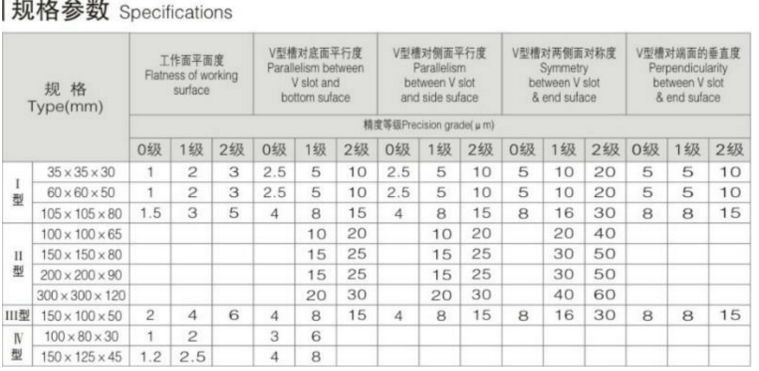
Using Brackets to Assemble Wooden Structures and Enhance Your DIY Projects Effectively
Embracing Nature The Art of Joining Wood with Brackets In the world of woodworking, there is a disti
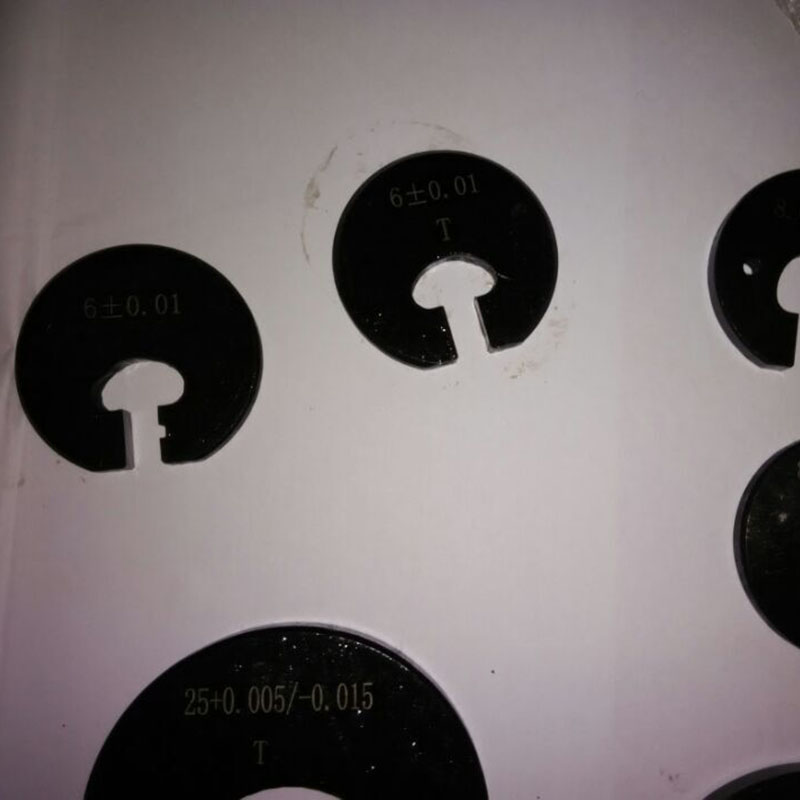
Various Types and Applications of Micrometers in Precision Measurement
Types of Micrometers Precision Tools for Measurement Micrometers are precision measurement instrumen
 English